The Second Opinion That Wasn't: How One Doctor's Words Follow You Into the Next Exam Room
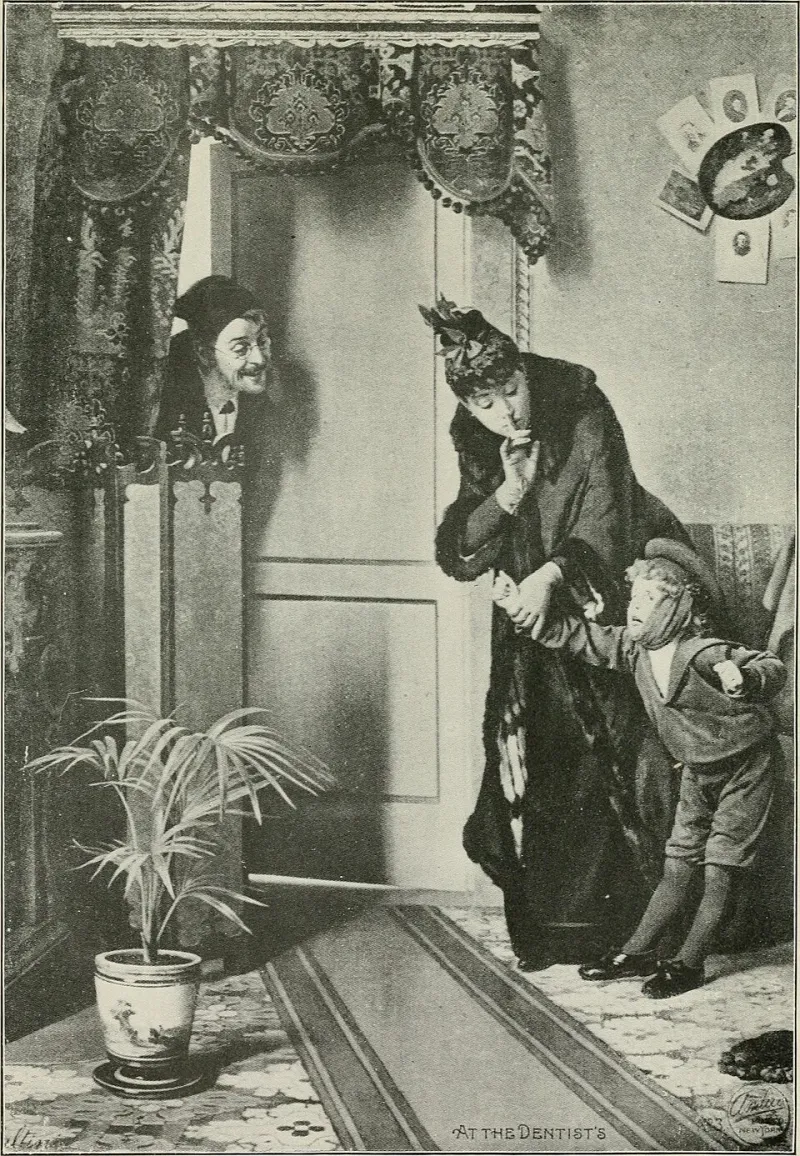
Photo: Internet Archive Book Images, No restrictions, via Wikimedia Commons
You did everything right. The first doctor's explanation didn't sit well with you, so you asked for a referral, scheduled the specialist, and showed up ready to tell your story from the beginning. But the specialist had already read your story — a version of it, anyway — written by someone else. And whether they realized it or not, that version was doing quiet work before you said a single word.
This is diagnostic anchoring, and it is one of the least discussed forces shaping American medical second opinions.
The Referral Letter That Precedes You
Specialists rarely meet a patient cold. A consult request typically includes the referring physician's summary: your chief complaint, relevant history, exam findings, and — crucially — the referring doctor's working impression. A line like "48-year-old female with chronic tension-type headaches, please evaluate for management options" is not neutral. It frames the visit as a management question rather than a diagnostic one. It hands the specialist a conclusion dressed as context.
Cognitive scientists call the general phenomenon anchoring: the tendency to give disproportionate weight to the first piece of information received. In medicine, the effect is well documented. Studies on diagnostic reasoning consistently show that clinicians who receive a leading summary before an evaluation are more likely to land on the suggested diagnosis — even when the underlying data would support alternatives. The anchor doesn't need to be correct. It only needs to arrive early.
The Halo Note Problem
Some referral letters do more than frame; they vouch. When a respected physician writes "I suspect this is X and would appreciate confirmation," the specialist faces a subtle social pressure. Disagreeing with a colleague — particularly a senior one or an internal referral within the same health system — carries friction. The result is what might be called a halo note: a document whose authority makes the incoming opinion less independent than the patient believes it to be.
This dynamic intensifies inside large integrated systems, where referrals often stay in-network and specialists can see the referring physician's notes in the shared electronic health record. Convenience for coordination, yes. Independence of judgment, not always.
None of this implies bad faith. Specialists are busy, notes are long, and a confident summary from a trusted colleague is a reasonable thing to lean on. The problem is that the patient, paying for and expecting a genuinely fresh look, may not be getting one.
When to Ask for a Blinded Second Opinion
If the stakes are high — a proposed surgery, a cancer diagnosis, a chronic condition diagnosis that would mean lifelong medication, or any situation where you feel the first answer came too quickly — it is reasonable to request that the second opinion be conducted with minimal exposure to the first physician's conclusions.
In practice, this means:
- Choosing an out-of-system specialist. An independent practice or an academic medical center in another network has no shared chart and no collegial ties to your original doctor.
- Requesting records, not narratives. You can ask that imaging, pathology slides, and raw lab data be forwarded while limiting the transfer of the referring physician's impression. Under HIPAA, you control what you authorize for release.
- Saying so plainly. "I'd like your independent assessment before we discuss what my other doctors concluded" is a sentence specialists hear more often than you might think, and most respect it.
A truly blinded opinion is not always possible or even ideal — sometimes prior context is medically essential, as with a complex surgical history. But for many diagnoses, the raw evidence travels fine on its own.
Telling Your Own Story So It Stays Yours
Patients have more influence over anchoring than they realize, because the most powerful anchor in the room is often the patient's own opening line. If you walk in and say, "My doctor says I have migraines and I'm here for treatment," you have anchored yourself. Consider these adjustments instead:
- Lead with observations, not conclusions. "For three months I've had headaches on the right side, twice a week, lasting most of the day, with nausea" gives the specialist data without handing them a label.
- Separate the timeline from the interpretation. Note when symptoms started, what makes them better or worse, and what has been tried — then let the diagnostician do the diagnosing.
- Bring your questions in writing. If your core worry is "could this be something else?" say so directly. It gives the specialist explicit permission to widen the lens.
- Ask what they'd think if the first opinion didn't exist. A fair question, and one that occasionally produces a visibly different line of thinking.
The Line Between Context and Contamination
To be clear: prior records save lives. A specialist unaware of your medication list, your allergies, or last year's imaging is a specialist operating blind. The goal is not to strip away history — it is to distinguish evidence from opinion, and to make sure the second opinion you're paying for is genuinely second, not a rubber stamp with better handwriting.
So before your next consult, ask what was sent ahead, and ask yourself what you said in the first five minutes. On the line between a real second look and an echo of the first, those details are the difference.